Key takeaways
- Most of the world’s leading food crops benefit from animal pollination, mainly by bees.
- Managed honeybees are not going extinct, but beekeepers suffer high colony losses, and many wild bee species are declining.
- The main drivers are habitat loss, pesticides, parasites and diseases, and climate change, which often act together.
- In Nepal, unpredictable flowering seasons, pesticide use, disease in native bees and pressure on wild cliff-bee colonies are major concerns.
“Save the bees” has become a familiar slogan. But what exactly is happening to bees, and why does it matter? The real picture is more nuanced, and in some ways more worrying, than the headlines suggest.
Why bees matter
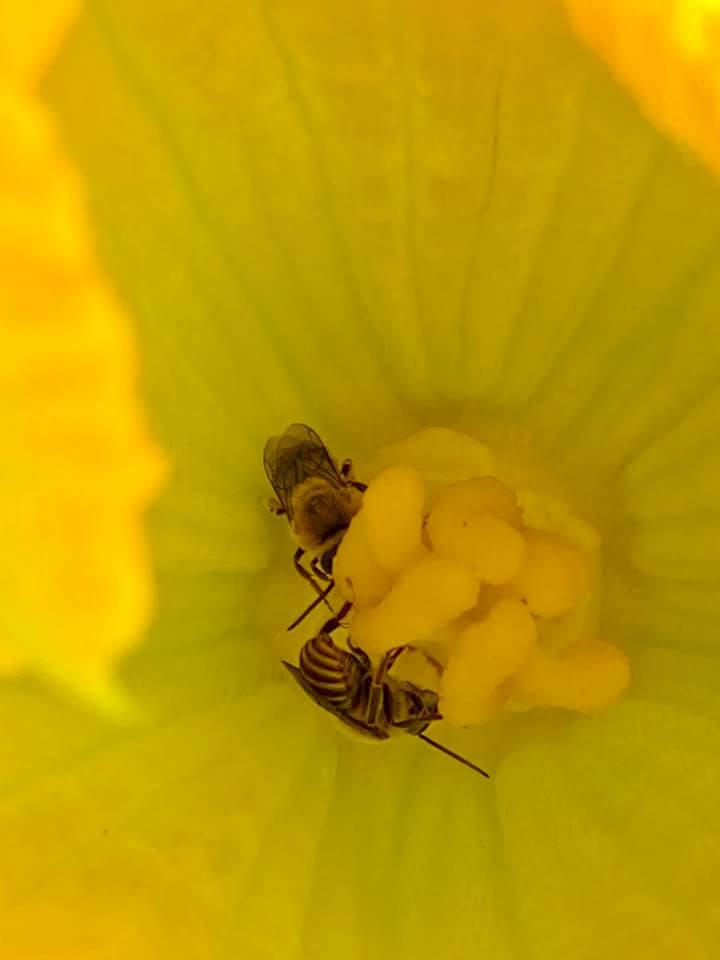
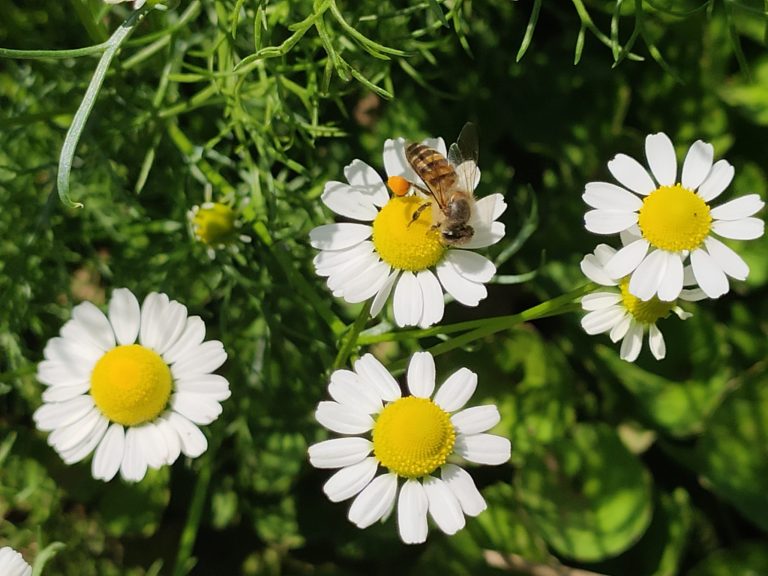
According to the global IPBES pollinator assessment, around three-quarters of the leading types of food crops benefit to some degree from animal pollination, and bees are the most important pollinators. Fruits, vegetables, oilseeds like mustard, nuts and spices all depend on them for good yields and quality. Beyond farms, bees pollinate countless wild plants that feed birds, mammals and people, and hold soils together.
See also: Nature’s Precious Pollinators.
Are honeybees disappearing?
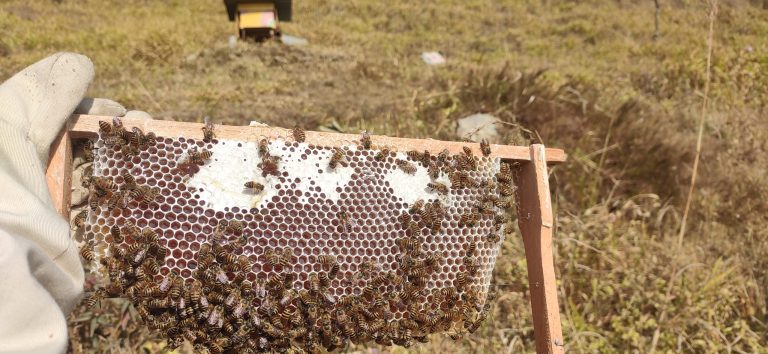
Not exactly. Managed honeybees are kept by beekeepers like livestock, and worldwide the number of managed hives has grown over recent decades. But that growth hides a struggle: in many countries beekeepers lose a large share of their colonies every year and have to work hard to replace them. In the United States, for example, beekeepers lost about 40% of their colonies in 2025–26 (read our roundup).
The bigger worry is wild bees: bumblebees, solitary bees and wild honeybees such as the giant honeybee and Himalayan cliff bee. Nobody replaces them when they die, and studies in many regions have found declines in their numbers and ranges.
The main threats
1. Habitat loss
Bees need flowers across the whole season and places to nest. When forests, hedges, grasslands and field margins are cleared, or when large areas are planted with a single crop, bees lose both food and homes. A field of mustard is a feast for a few weeks, followed by famine.
2. Pesticides
Insecticides can kill bees outright or harm them at lower doses, affecting navigation, learning and reproduction. Some systemic insecticides, such as certain neonicotinoids, end up in the nectar and pollen of treated plants; the European Union banned outdoor use of three of them in 2018 because of risks to bees. In Nepal, rising pesticide use, spraying of flowering crops in daytime and poor storage and handling of chemicals are frequent complaints from beekeepers.
3. Parasites and diseases
The Varroa mite is the single biggest problem for European honeybees worldwide, spreading viruses that weaken and kill colonies. In Asia, Tropilaelaps mites add to the burden, and Thai sacbrood virus has caused heavy losses of Nepal’s native Apis cerana. Diseases can also spill over from managed bees to wild bees. Read Pests and Diseases.
4. Climate change
Changing temperatures and rainfall are shifting when plants flower, sometimes out of step with bees. Extreme weather, such as unseasonal rain during a key flow, can wipe out a season’s honey, as Chitwan beekeepers experienced in 2026 (read the news). In mountains, rising temperatures may push cold-adapted species like bumblebees to ever higher ground.
5. Invasive species
Introduced predators and parasites can devastate bees with no natural defences. In Europe, the Asian hornet Vespa velutina has become a major problem for beekeepers since it arrived in the 2000s.
6. Overharvesting of wild colonies
In Nepal, honey hunters and researchers have reported fewer colonies of the Himalayan cliff bee in some areas, linked to habitat change and to harvesting that is too frequent or takes too much. See Honey Hunting in Nepal.
These threats combine
Bees rarely face just one problem. A colony that is short of good food is less able to cope with mites; a bee exposed to low levels of pesticide may be more vulnerable to disease; a bad weather year leaves colonies weak going into the hungry season. Tackling any one of these pressures helps bees cope with the others.
What can be done
Everyone:
- Plant flowers that bloom across the seasons. See Plant a Bee-Friendly Garden.
- Avoid insecticides on flowering plants, and never spray when bees are flying.
- Buy honey from local beekeepers, which supports people who care for bees.
Farmers:
- Keep hedges, trees and some flowering field margins.
- Spray in the evening, avoid spraying crops in flower, and warn nearby beekeepers.
Beekeepers:
- Monitor and manage mites, keep colonies well fed, and don’t move sick colonies or combs.
- Support native Apis cerana beekeeping and protect wild colonies.
Policymakers:
- Better regulation and training on pesticide use, support for research and disease monitoring, and protection for forests and wild bee habitats.
Sources and further reading
- IPBES (2016). The Assessment Report on Pollinators, Pollination and Food Production.
- European Commission (2018). Restrictions on outdoor use of imidacloprid, clothianidin and thiamethoxam.
- Potts, S.G. et al. (2010). Global pollinator declines: trends, impacts and drivers. Trends in Ecology & Evolution 25(6).