
Key takeaways
- Nepal produces around 6,000 tonnes of honey a year, and the Federation of Beekeepers estimates the potential at up to 30,000 tonnes.
- Prices vary enormously: from about Rs 350 per kg paid by traders in some villages to Rs 1,500 or more for hill and specialty honey.
- Yields vary just as much: studies report around 24–29 kg per hive per year for Apis mellifera in the Terai, but under 10 kg in the hills and for Apis cerana.
- Beekeeping can be profitable, but income depends on forage, weather, skills and marketing. Start small and grow.
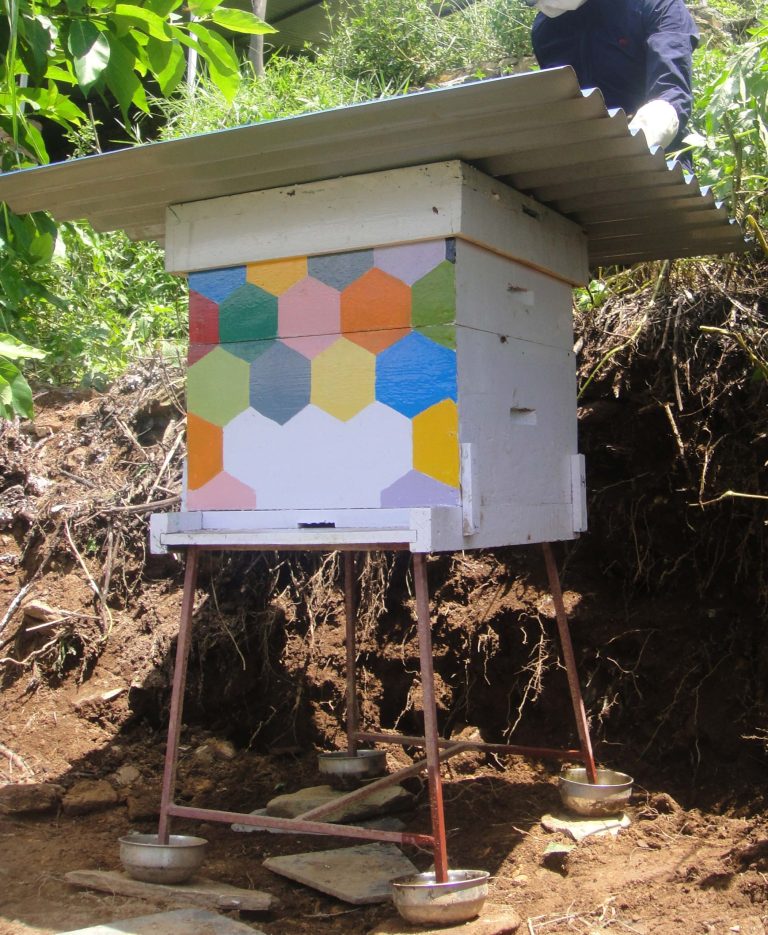
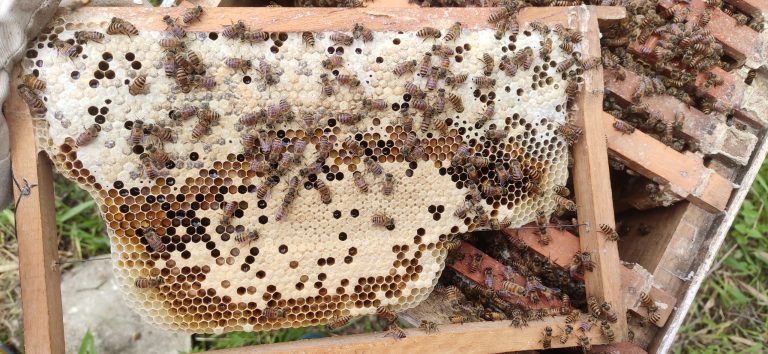
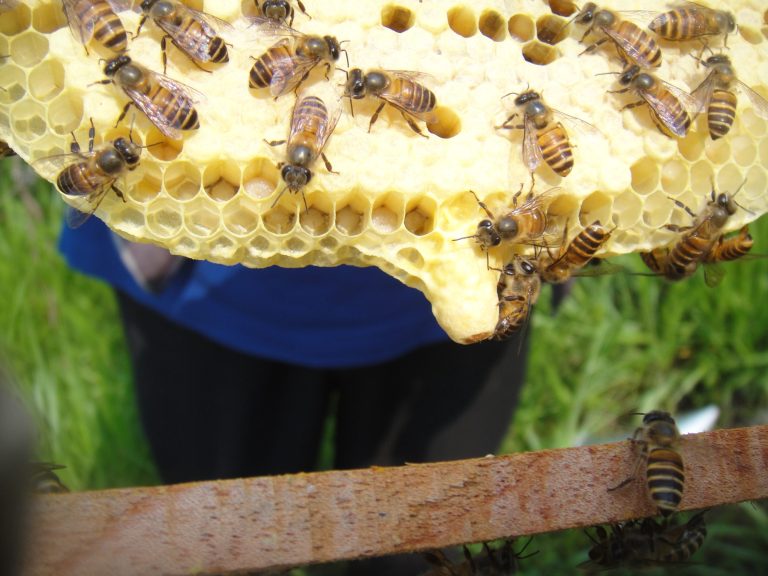
Beekeeping is one of the few farm businesses that needs no land of your own, little water and modest start-up money, and it improves your neighbours’ crop yields at the same time. Across Nepal, from Chepang villages in Makwanpur to commercial apiaries in Chitwan and Dang, families are earning a living from bees. But it is also a business with real risks. Here is what the numbers say.
About these figures. Prices, costs and yields below come from news reports and studies between 2022 and 2025, from specific districts. They are examples, not guarantees. Always check current local prices before making plans.
The sector at a glance
According to the Federation of Beekeepers Nepal (November 2025):
- 2,175 registered commercial beekeepers, those with more than 10 hives, manage 115,183 hives and produced 4,192 tonnes of honey.
- Total national production, including Apis cerana and smaller beekeepers, is around 6,000 tonnes a year.
- Commercial beekeeping takes place in more than 30 districts. The biggest producers are Chitwan (about 1,070 tonnes) and Dang (about 1,040 tonnes), followed by Jhapa and Morang.
- Many more people keep fewer than 10 hives and aren’t counted in these figures. Radio Nepal, citing the Federation, estimates about 12,000 farmers in mellifera beekeeping and more than 170,000 cerana hives nationwide.
In the 2023/24 fiscal year, Nepal also exported about 10 tonnes of honey worth Rs 57.47 million, according to Department of Customs figures, and honey is listed as a priority export product in the government’s Nepal Trade Integrated Strategy 2023.
What can you earn? Prices
Honey prices depend on the type of honey, where it’s sold, and who you sell to:
| Who buys / what honey | Reported price | Source |
|---|---|---|
| Traders buying from village beekeepers (Makwanpur) | about Rs 350/kg | Kathmandu Post, 2025 |
| Cooperative selling processed honey (Makwanpur) | about Rs 500/kg | Kathmandu Post, 2025 |
| Average farm-gate price, Chitwan study | about Rs 550/kg | Chitwan honey economics study |
| Hill honey, Myagdi | Rs 1,500–1,700/kg | Kathmandu Post, 2022 |
The pattern is clear: selling raw honey in bulk to traders pays least. Beekeepers who process, pack and sell their own honey, sell through a cooperative, or produce distinctive hill, cerana or single-flower honeys earn far more per kilo.
Yields
| Situation | Reported yield per hive per year |
|---|---|
| Apis mellifera, Chitwan study | about 24 kg |
| Apis mellifera, Terai average in one study | about 29 kg |
| Hill apiaries in the same study | about 8 kg |
| Apis cerana, Dang study | about 6 kg |
Migratory mellifera beekeepers who follow several flows (mustard, chiuri, litchi, buckwheat) can get the highest yields. Hill beekeepers with cerana produce less, but often sell at much higher prices. See Apis cerana vs Apis mellifera and Migratory Beekeeping.
Costs
Start-up costs
You’ll need to buy:
- Colonies of bees, from trusted local beekeepers.
- Hives with frames and foundation, plus stands.
- Protective gear: veil or suit, gloves.
- Tools: smoker, hive tool, bee brush, feeders.
- Harvest equipment: extractor (some cooperatives share one), uncapping knife, strainers, containers, jars.
- Training.
Prices for hives and colonies change from year to year and place to place, so get quotes from at least two local suppliers or beekeepers. Ask your local Agriculture Knowledge Centre or palika office whether subsidised hives, colonies or equipment are available. See Government Support and Training.
Running costs
A study of beekeepers in Chitwan put annual production costs at about Rs 3,400 per hive, with a benefit-cost ratio of about 1.56. That means roughly Rs 1.56 earned for every rupee spent. Typical running costs include:
- Sugar for feeding during the monsoon and other dearth periods, often the biggest single cost.
- Mite treatments for mellifera.
- Replacement frames, foundation and queens.
- Transport for migratory beekeepers.
- Pasture fees: some community forests and landowners charge beekeepers to place hives, for example Rs 100–150 per hive in parts of Makwanpur.
- Jars, labels and marketing if you sell your own honey.
- Labour, including your own time.
A worked example
Here’s a simple illustration using the figures above. It isn’t a forecast.
| Amount | |
|---|---|
| Hives | 20 mellifera colonies |
| Honey per hive | 20 kg (a cautious yield) |
| Total honey | 400 kg |
| Price | Rs 450/kg (bulk to a cooperative) |
| Gross income | Rs 180,000 |
| Running costs | 20 × Rs 3,400 = Rs 68,000 |
| Before start-up costs and labour | about Rs 112,000 |
Selling half the honey yourself in jars at a higher price, or adding income from colonies, wax or pollination, can change the picture considerably. So can a bad season, which can cut yields by half or more.
Success stories
- Dipan Chepang of Kankada, Makwanpur, started with 10 hives about five years ago and had 210 by 2025. He earned Rs 1.53 million in one year from honey, according to the Kathmandu Post.
- In Kankada, beekeepers sell through the Jana Chetana Agriculture Cooperative, which sold about 40 tonnes of honey in a year, earning over Rs 20 million for its members.
- In Myagdi, a hill beekeeper reported earning Rs 1.2–1.5 million a year from his hives in 2022.
What these stories share: they started small, grew steadily, and worked together to reach better markets.
Risks to plan for
- Weather: unseasonal rain can wreck a flow. Chitwan’s production fell by about a sixth in 2026 (read more).
- Pests and diseases: mites, sacbrood, hornets. See Pests and Diseases.
- Pesticides sprayed on flowering crops.
- Market prices: prices paid by traders can be low, and beekeepers have protested that government decisions allowing honey imports, such as quotas granted to large companies in late 2025, undercut local producers.
- Adulterated honey on the market drags down prices and trust. See Real vs Fake Honey.
Ask your local agriculture office about beehive insurance. The government subsidises most of the premium, but few beekeepers use it.
More ways to earn from bees
- Selling colonies and nucleus colonies to new beekeepers.
- Queen rearing.
- Pollination services for mustard, fruit and vegetable growers.
- Beeswax and products like candles and balms. See Beyond Honey.
- Training and farm visits for students and tourists.
Getting started
- Get training and spend time with an experienced beekeeper.
- Start with 5–10 hives, learn for a season or two, then grow.
- Join a cooperative or group: for shared equipment, better prices and access to support programmes.
- Keep records of costs, yields and sales from day one.
- Think about marketing early. Who will buy your honey, and how will you stand out?
Read Your First Hive: A Beginner’s Checklist next.
Sources
- Nepal’s annual honey production around 6,000 metric tonnes, Khabarhub, November 2025.
- Bee farmers send memorandum to PM to reconsider decision, Radio Nepal, November 2025.
- Chepang beekeepers taste success in honey business, The Kathmandu Post, February 2025.
- Farmers’ income waxing in Myagdi from beekeeping, The Kathmandu Post, December 2022.
- Economics of production and marketing of honey in Chitwan district of Nepal, ResearchGate.
- Value chain analysis of the honey sub-sector in Nepal, ResearchGate.
- Production and marketing economics of honey from Apis cerana in Dang district, ResearchGate.