
Beekeeping, an age-old art that dates back millennia, has taken on renewed significance in the face of modern challenges like habitat loss, climate change, and declining pollinator populations. Sustainable beekeeping practices offer a ray of hope, not only for the survival of honeybees but also for the health of ecosystems and the well-being of humanity. By embracing sustainable approaches, beekeepers become stewards of nature, working hand in hand with these vital pollinators to create a more resilient and harmonious world.
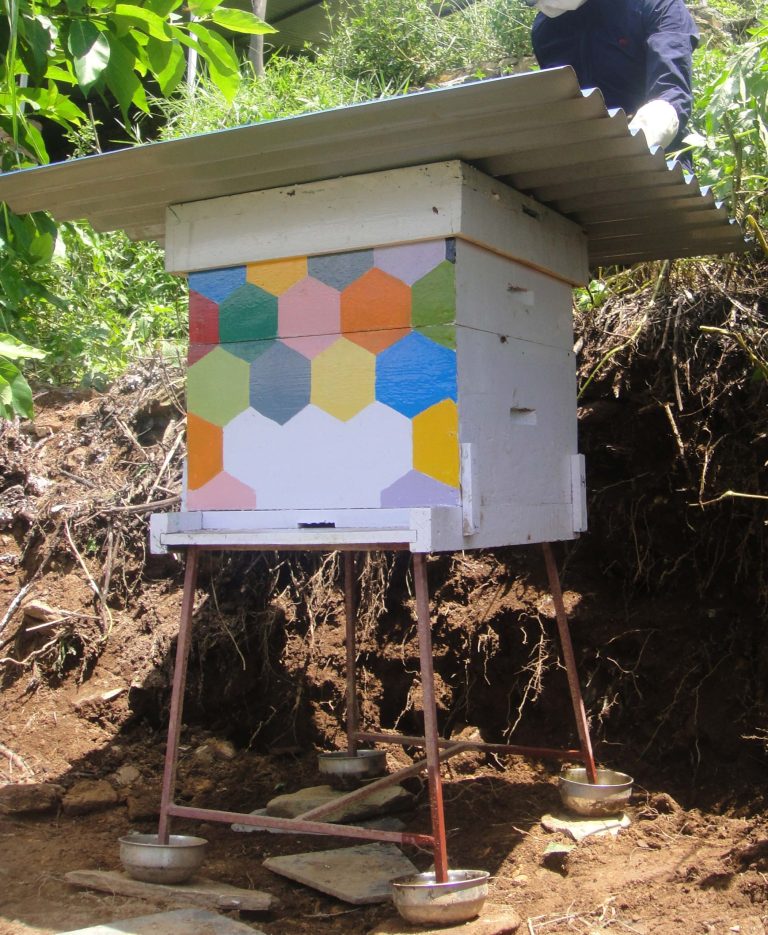
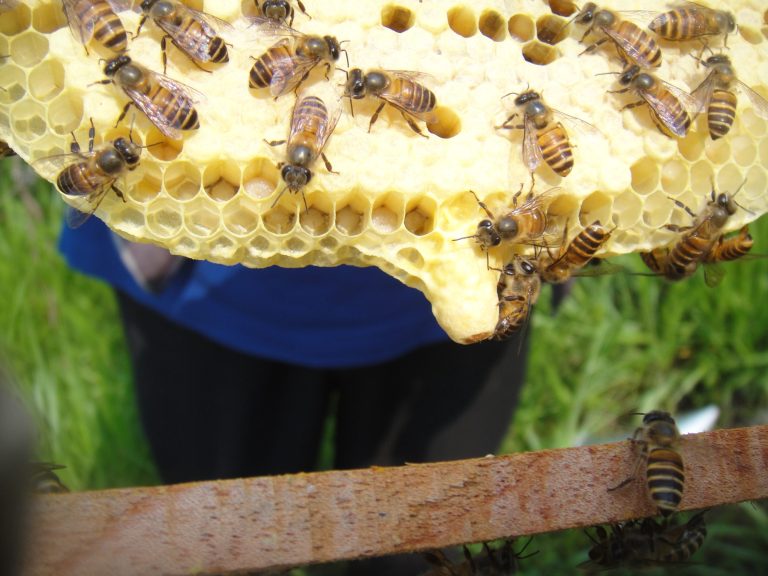
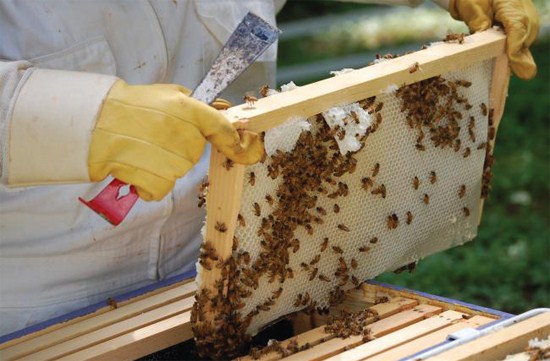
At the heart of sustainable beekeeping lies a profound understanding of the honeybee’s intricate needs and ecological role. It begins with the thoughtful placement of hives in areas rich with diverse floral resources. These carefully chosen locations offer a bountiful feast of nectar and pollen, sustaining the bees and enhancing their health. Equally important is the regular inspection and thoughtful management of hives. By monitoring for diseases and pests, beekeepers can take timely, targeted actions to safeguard the colonies without resorting to harsh chemicals.
Sustainable beekeeping practices embrace organic and natural treatments, avoiding the use of synthetic pesticides and antibiotics. Instead, beekeepers explore innovative and ecologically friendly methods to manage pests and diseases. By prioritizing the well-being of the bees and the purity of their products, they ensure that honey and beeswax are free from chemical residues, upholding the integrity of these natural treasures.
One key aspect of sustainable beekeeping is the responsible management of swarms. Allowing bees to swarm and reproduce naturally fosters genetic diversity and strengthens the resilience of honeybee populations. When swarms occur, conscientious beekeepers can capture and relocate them, preventing conflicts with humans while supporting the bees’ intrinsic behaviors.
Beyond the confines of the beehive, sustainable beekeeping encompasses the conservation of native bee species. By providing nesting habitats and preserving natural landscapes, beekeepers contribute to the survival of wild bees that play vital roles in pollination and biodiversity. This holistic approach extends to advocating for pollinator-friendly farming and gardening practices, encouraging the planting of wildflowers and native plants that nourish bees and other pollinators.
Education and training form the foundation of sustainable beekeeping. By empowering beekeepers with knowledge about hive management, disease prevention, and ecological awareness, they become better equipped to navigate the complexities of beekeeping in a rapidly changing world. Through continuous learning, they adapt their practices to align with evolving scientific insights and the needs of the bees and their environment.
Sustainable beekeeping is a collaborative effort that transcends boundaries. Beekeepers collaborate with researchers, conservationists, policymakers, and local communities to share knowledge and insights. This exchange of information strengthens the collective understanding of bee health, habitat preservation, and the interconnectedness of all living beings in the ecosystem.
Responsible honey harvesting is a hallmark of sustainable beekeeping. Beekeepers leave ample honey reserves for the bees, ensuring their sustenance during challenging times, such as winter or periods of scarcity. This approach honors the mutual relationship between beekeepers and bees, recognizing that a thriving hive is the result of shared efforts.
In essence, sustainable beekeeping practices celebrate the partnership between humans and honeybees. Beekeepers become guardians of nature, cultivating a deeper appreciation for these incredible pollinators and the intricate balance they maintain in the natural world. Through sustainable practices, they sow the seeds of a more resilient future, where bees, agriculture, and biodiversity thrive in harmony.
In conclusion, sustainable beekeeping practices are a beacon of hope for the conservation of honeybees and the preservation of ecosystems. By embracing thoughtful hive management, organic treatments, swarm management, and conservation efforts, beekeepers become ambassadors of sustainability. Their dedication to nurturing the honeybee guardians of nature ensures a future where bees continue to bless us with the fruits of their labor, supporting our food systems and enriching the biodiversity of our shared planet. With sustainable beekeeping as our guiding principle, we can embark on a journey of coexistence and co-prosperity, fostering a world where bees and humans flourish together.