
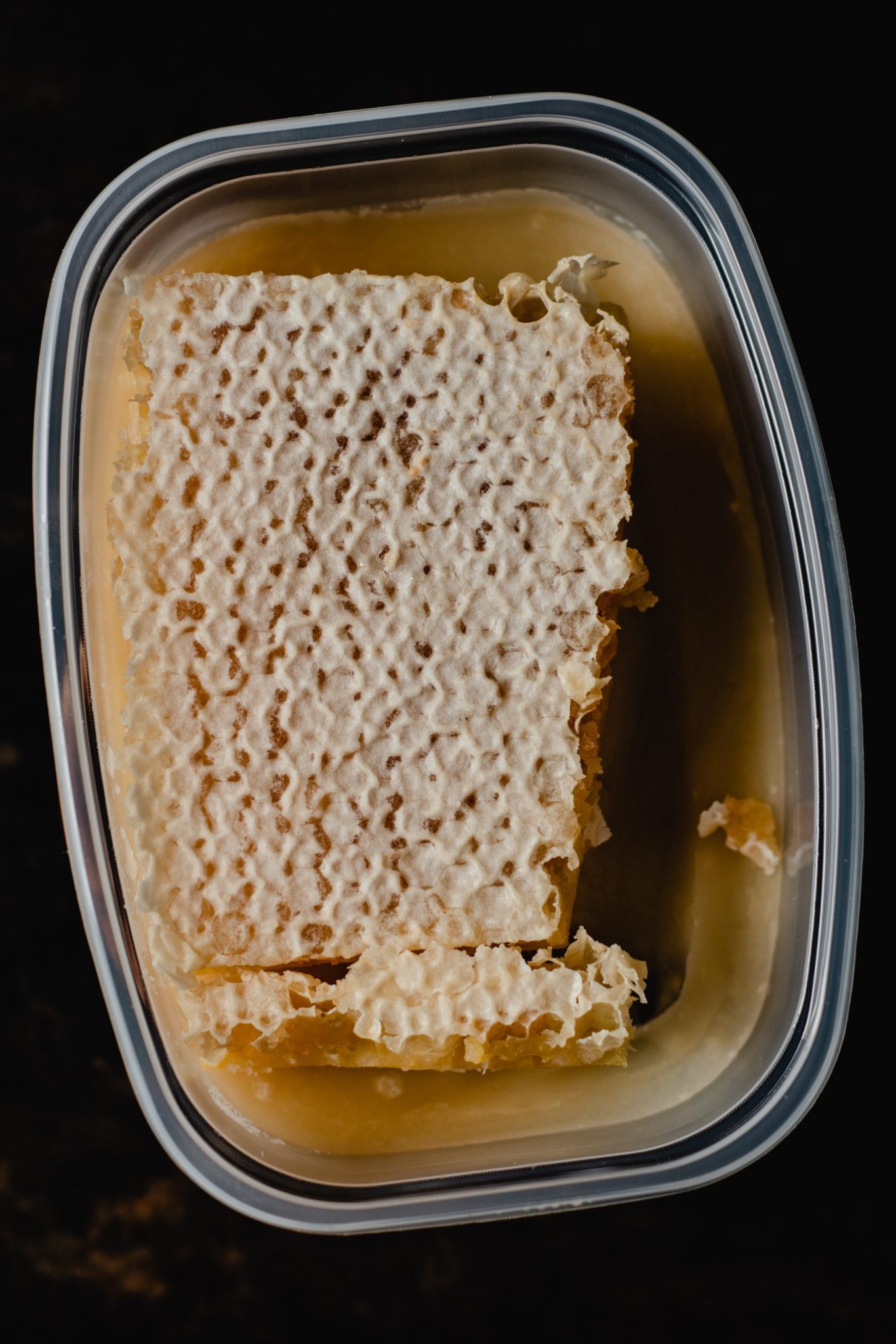
In October 2026, food inspectors in the Czech Republic posted an alert on the European Union’s food-safety network about a small tub of honey from Nepal. According to reporting by OnlineKhabar, laboratory tests found 64 milligrams of grayanotoxin per kilogram in the honey, a level high enough to make people ill.
The case has renewed calls for Nepal to set a safety standard for grayanotoxins in honey. As the OnlineKhabar piece points out, Nepal currently has no such standard, even as “mad honey” is increasingly marketed online to buyers around the world.
What is mad honey?
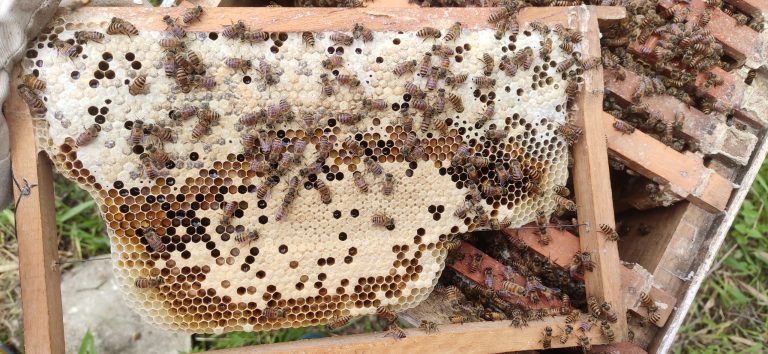
“Mad honey” is honey that contains grayanotoxins, natural toxins found in the nectar of some rhododendron species. In Nepal, it is linked mainly to honey from the Himalayan cliff bee (Apis laboriosa), harvested by traditional honey hunters, especially in spring when rhododendrons flower in the mountains.
The amount of toxin varies enormously from one comb, season and place to another. That unpredictability is exactly what makes it risky: two jars that look the same can have very different effects.
Why it can be dangerous
Grayanotoxins affect the nerves and heart. Doctors in Nepal and elsewhere have published case reports of people who needed hospital treatment after eating mad honey. Symptoms typically appear within a few hours and can include:
- dizziness, weakness and sweating;
- nausea and vomiting;
- low blood pressure and a slow heart rate, sometimes causing fainting.
Most people recover within a day or so with medical care, but poisoning can be serious, especially for older people and anyone with heart problems.
If someone feels unwell after eating wild or “mad” honey, especially with dizziness, fainting or a slow pulse, seek medical help straight away and tell the doctor what was eaten.
Why a standard matters
Without a legal limit and routine testing, it is impossible for buyers, or for honest producers, to know how much grayanotoxin a product contains. For Nepal’s honey sector, the risks go beyond individual health:
- Export reputation. Food-safety alerts in key markets can damage trust in all Nepali honey, not just mad honey.
- Fair treatment for honey hunters. Clear rules and testing could help communities that depend on cliff honey sell it safely and legally, rather than through informal channels.
- Clear labelling. Ordinary Nepali honeys such as mustard, chiuri and multifloral honey don’t contain grayanotoxins. Clear rules help keep them clearly separate from wild cliff honey.
Our view
Himalayan cliff honey and the honey-hunting traditions behind it are an important part of Nepal’s heritage. But honey sold as food must be safe. We support a national grayanotoxin standard, laboratory testing for wild cliff honey, honest labelling, and an end to marketing mad honey as a “natural high”.
Learn more about Nepal’s honeybees, including the Himalayan cliff bee, in The Bees of Nepal.
Sources
- Nepal’s mad honey needs a safety standard before it needs new markets, OnlineKhabar English, October 2026.
- Mad honey (wild honey) poisoning: clinical case series from Nepal, via PubMed Central.