Since 14 June 2026, honey sold in the European Union has had to tell shoppers much more clearly where it comes from. Under an update to the EU’s honey rules, part of the so-called “Breakfast Directives” (Directive (EU) 2024/1438), blended honey can no longer be labelled with vague phrases such as “blend of EU and non-EU honeys”.
What changed
- Every country of origin must be listed on blends, in descending order by weight.
- Each country’s share of the blend must also be shown, with some flexibility depending on national rules and pack size.
- Old stock can be sold off. Honey produced and labelled before 14 June 2026 can stay on sale until stocks run out.
Each EU country writes the directive into its own law, so details of enforcement can vary slightly from country to country.
Why the EU made the change
Honey is one of the most frequently adulterated foods in the world. A 2023 EU investigation found that nearly half of the imported honey samples it tested were suspected of being diluted with cheap sugar syrups. Vague origin labels made it easy to hide where blends came from. The new rules are meant to give consumers honest information and to support beekeepers who produce genuine honey.
What it means for producers, including in Nepal
The rules apply to honey sold in the EU, but they reflect a wider shift in what buyers expect, and they matter for anyone hoping to sell honey abroad:
- Traceability is becoming essential. Packers who blend honey now need precise records of where every batch came from. Producers who can document origin, flower source and harvest dates have an advantage.
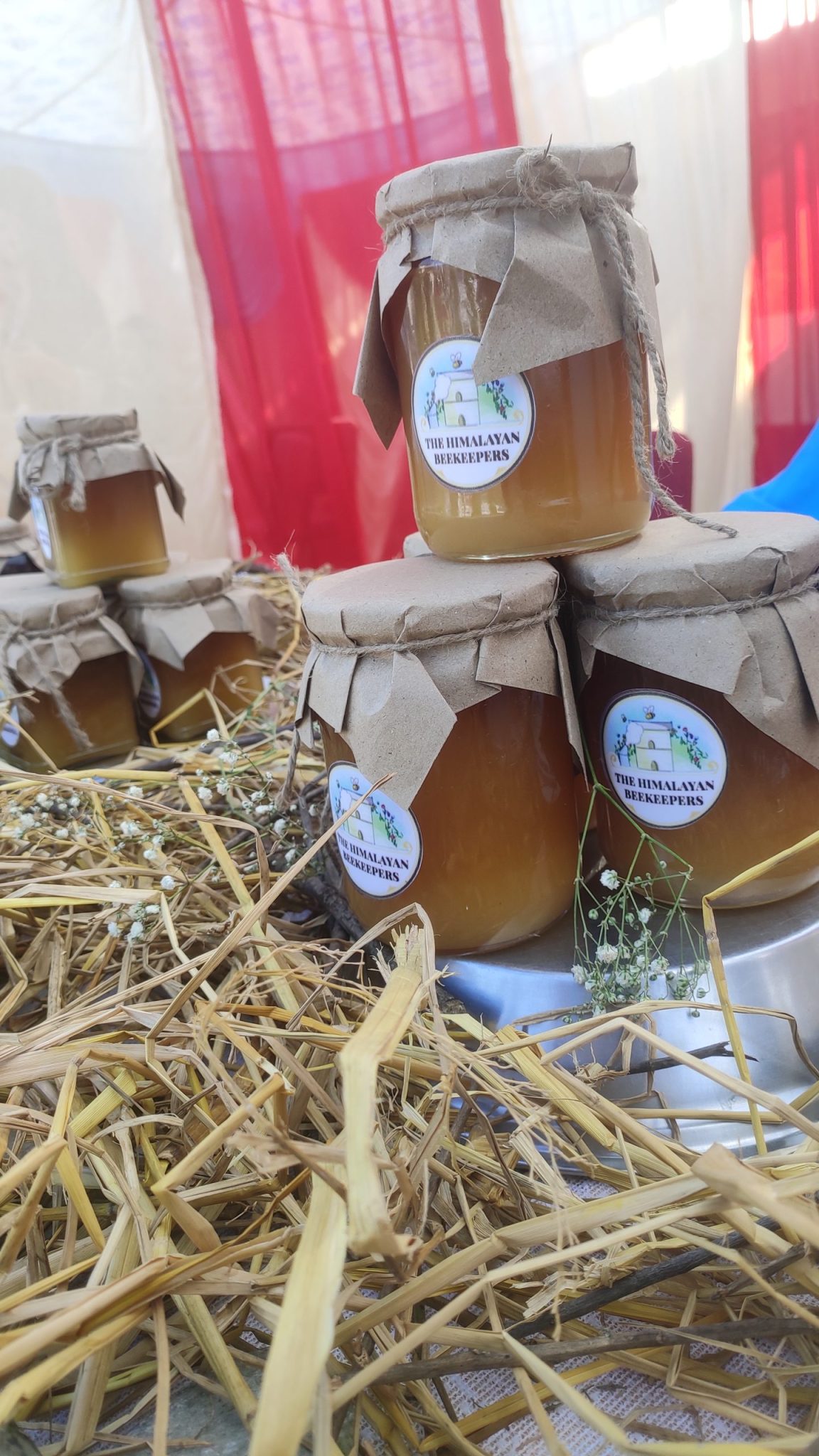
- Honest origin is a selling point. “Single-origin” honey with a clear story, such as Himalayan, mustard, chiuri or rudilo honey from a named region, stands out on a shelf where every blend must now spell out its sources.
- Quality testing matters. Buyers increasingly expect lab results for moisture, HMF and authenticity, not just a certificate of origin.
For honey buyers anywhere, the lesson is the same as ever: know where your honey comes from. Read Real vs Fake Honey: How to Tell the Difference.
Sources
- Food Safety Authority of Ireland, Origin labelling of honey.
- Apimondia, EU, New Rules for Honey Labelling.
- Mason Hayes & Curran, The EU Breakfast Directive’s makeover.