
Key takeaways
- Nepal’s two biggest honey flows are mustard in the Terai in winter and chiuri in the Chure and mid-hills in late autumn and winter.
- Spring brings fruit trees, litchi, citrus and rhododendron, and is the main season for colony build-up and swarming.
- The monsoon is a hungry time for bees. Expect to feed colonies and watch for pests.
- Flowering dates shift with altitude and weather, so use this calendar as a starting point and keep your own records.
Every honey tells the story of the flowers the bees visited. In Nepal, with its huge range of altitudes, that story changes from month to month and valley to valley. Knowing what flowers when, and where, helps beekeepers plan when to strengthen colonies, when to add honey boxes, when to move hives, and when to feed.
Dates are approximate. Flowering can come two to four weeks earlier or later depending on altitude, aspect and the year’s weather. A late or very wet season can shift or ruin a flow, as Chitwan beekeepers saw in 2026 (read the news).
The year at a glance
| Nepali months | Approx. | Main bee plants | Where | Beekeeper’s focus |
|---|---|---|---|---|
| Kartik – Poush | Oct – Jan | Mustard (tori), rapeseed, chiuri, rudilo (early), niger | Terai, inner Terai, Chure, mid-hills | Main honey harvests; add honey boxes; move hives to mustard |
| Magh – Falgun | Jan – Mar | Late mustard, coriander, citrus, litchi (late Falgun) | Terai and hills | Colony build-up; check food stores after cold spells |
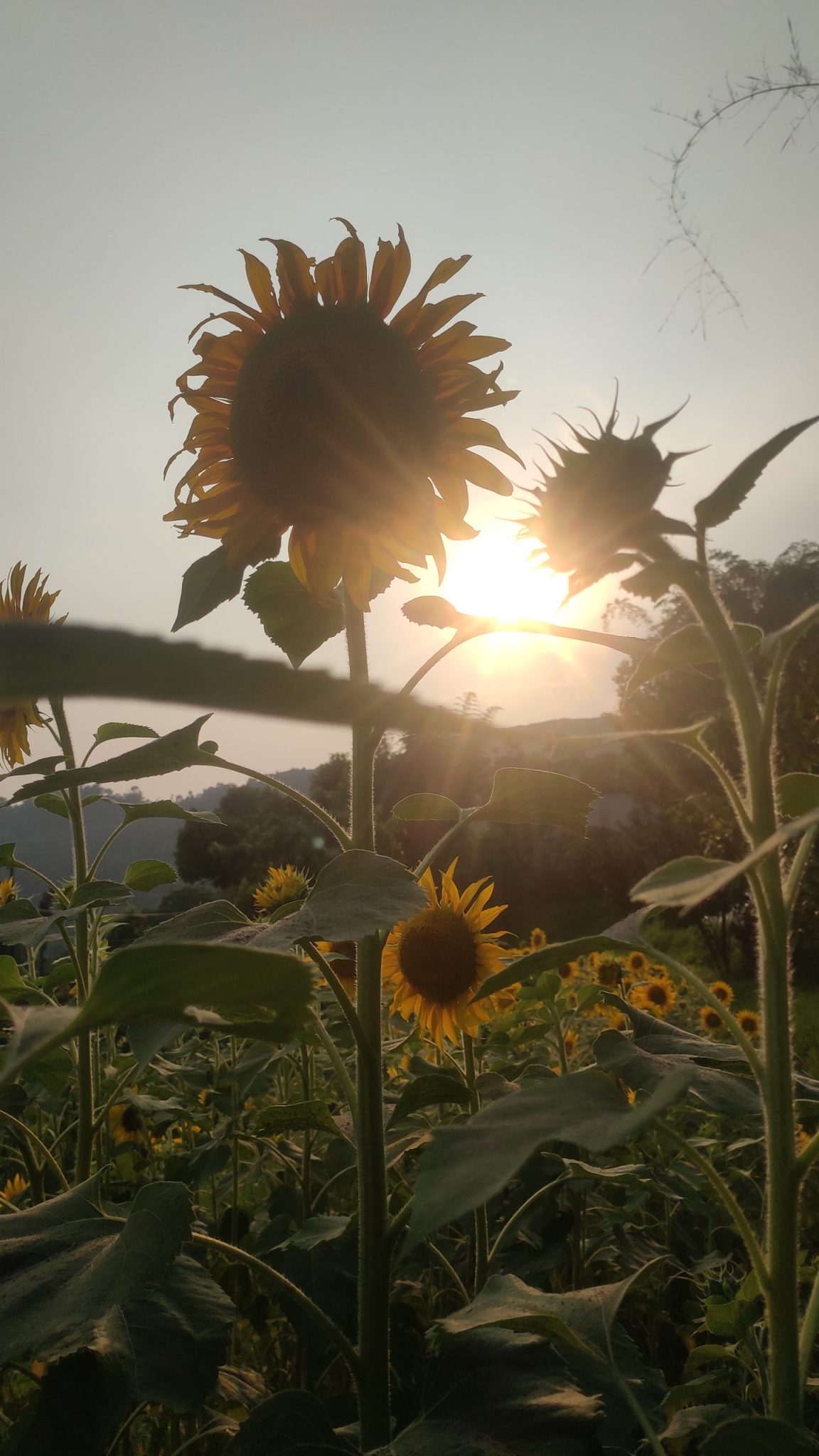
| Chaitra – Baisakh | Mar – May | Litchi, sisau, fruit trees, rhododendron (high), sunflower, wild flowers | Across the country | Swarm season: inspect often, make splits, raise queens |
| Jestha – Asar | May – Jul | Sunflower, maize (pollen), vegetables and cucurbits, wild flowers | Terai and hills | Last spring harvests; prepare for the monsoon |
| Shrawan – Bhadra | Jul – Sep | Few flowers; maize and some trees (pollen) | Mostly dearth | Feed sugar syrup if needed; reduce entrances; watch for wax moth and hornets |
| Ashwin – Kartik | Sep – Nov | Buckwheat, rudilo, niger, early chiuri | Hills and mid-hills | Rebuild colonies; hornet defence; prepare for winter flows |
The major honey plants
Mustard (tori)
The biggest commercial honey flow in Nepal. In winter, the Terai and inner Terai turn yellow with mustard and rapeseed, and many Apis mellifera beekeepers move their hives there for the season. Mustard honey is light in colour and mild, and it crystallises very quickly, often within days or weeks, into a smooth, pale honey. That’s completely natural. See Why Does Honey Crystallise?
Chiuri
The chiuri tree, Diploknema butyracea (also called the Indian butter tree), grows wild in the Chure hills and lower mid-hills and is also valued for the butter made from its seeds. It flowers in late autumn and winter, when few other plants are in bloom, and is a key source of honey for beekeepers in districts such as Chitwan, Makwanpur and Tanahu. Because it is a forest tree, a good chiuri year depends on the weather, and a poor flowering season can hit beekeepers’ incomes hard.
Rudilo
Rudilo (Pogostemon) is a shrub of the mid-hills that flowers in autumn. It gives beekeepers in the hills an important flow before winter, and rudilo honey is a favourite local honey.
Buckwheat
Buckwheat is grown in the hills and mountains and flowers in autumn. Its honey is dark, with a strong, malty flavour, very different from mustard honey. It is valued for its rich taste.
Spring flowers: litchi, citrus, sisau and rhododendron
- Litchi orchards in the Terai flower in late winter and spring and produce a light, fragrant honey.
- Citrus (oranges, lemons and other citrus) flowers in the mid-hills in spring.
- Sisau (Dalbergia sissoo), a common tree in the Terai, flowers in spring.
- Rhododendrons flower at higher altitudes in spring. They’re an important food source for wild bees, but nectar from some species contains grayanotoxins. This is the source of “mad honey” from the Himalayan cliff bee.
Multifloral honey
Much of the honey produced in the hills comes from a mix of wild flowers, shrubs and trees. These multifloral honeys vary from place to place and season to season, and that variety is part of their charm.
The hungry season: monsoon dearth
From roughly Asar to Bhadra, heavy rain keeps bees inside for days at a time, and few plants flower. Colonies that had plenty of honey in spring can starve by the end of the monsoon. This is the time to:
- Check food stores at every inspection, and feed sugar syrup if frames are light. Feed in the evening and avoid spilling syrup, which triggers robbing.
- Reduce hive entrances to help weaker colonies defend themselves.
- Keep hives off the ground and out of areas that flood.
- Watch for wax moth in weak colonies and stored combs, and for hornets in late monsoon and autumn. See Pests and Diseases.
Make your own calendar
The best honey calendar is the one you keep yourself. For each apiary, note down:
- What is flowering each week within about 2–3 km of your hives.
- How heavy the hives feel, and when you see fresh nectar in the combs.
- When you harvested, how much, and what the honey looked and tasted like.
After two or three years, you’ll know exactly when to add honey boxes, when to move hives, and when to start feeding. That’s knowledge no book can give you. Your local beekeeping development centre and experienced neighbours are also good sources of local flowering dates.
Sources and further reading
- Honey production declines in Chitwan, The Rising Nepal, May 2026.
- With less chiuri flowering, beekeepers’ income plunges, The Kathmandu Post, January 2021.